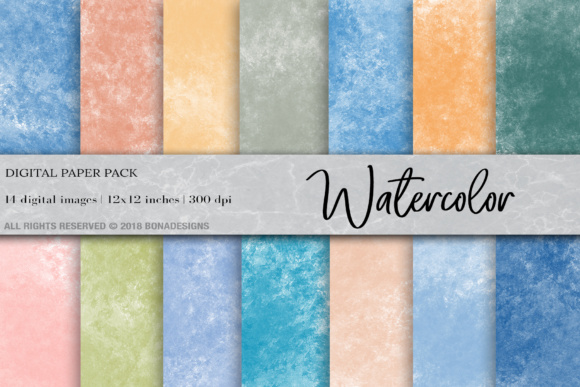
Watercolor Background & Digital Paper
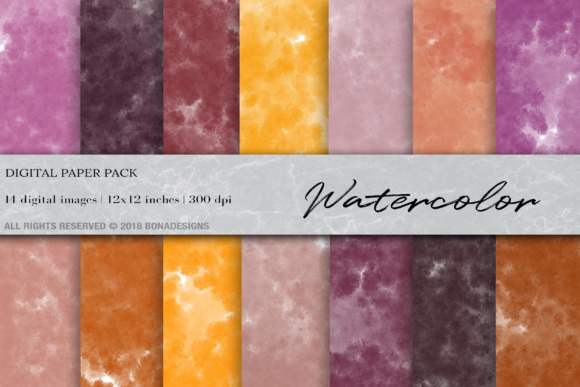
Watercolor backgrounds and digital papers offer a soft, artistic touch that can elevate any design project. These high-resolution images capture the gentle, flowing nature of watercolor, making them ideal for adding a creative flair to everything from scrapbooks to business cards. With 14 unique designs in this set, you’ll find a variety of textures and tones to suit different styles and purposes.
Each watercolor digital paper is 12x12 inches at 300 dpi, ensuring crisp, professional results whether you’re printing or using the files digitally. The organic brushstrokes, subtle gradients, and muted hues give these backgrounds a timeless, handcrafted feel. They work well as backdrops for logos, social media graphics, or as standalone art pieces.
Where Watercolor Backgrounds Shine
Watercolor backgrounds are versatile and can be used across a wide range of projects. In branding, they add warmth and personality without overwhelming other elements. For editorial design, they provide a visual break between sections, creating a more engaging reading experience. In packaging design, they bring an artisanal quality that stands out on store shelves.
These digital papers are also great for web design. They can serve as subtle overlays or background textures that enhance the aesthetic of a site without compromising readability. Social media graphics benefit from their soft, inviting look, making content more approachable and visually appealing.
For personal use, watercolor backgrounds make excellent journal pages, handmade cards, or custom calendars. Their flexibility allows them to fit into both modern and vintage aesthetics, depending on how you pair them with other design elements.
Choosing the Right Watercolor Background
When selecting a watercolor background, consider the tone and mood you want to convey. Lighter, pastel shades work well for feminine or minimalist designs, while deeper, richer tones add sophistication and depth. The texture of the paper—whether it’s smooth, rough, or layered—also plays a role in how the final design feels.
Testing different watercolor backgrounds in your project can help you see how they interact with text, images, and other design elements. For example, a bold, handwritten font might clash with a busy watercolor pattern, but could complement a simpler, more restrained design.
When pairing fonts with watercolor backgrounds, aim for balance. A clean, sans-serif font often works well against a textured background, as it provides contrast and clarity. If you're going for a more decorative look, a script or handwritten font can add character without overpowering the design.
Understanding the Value of High-Resolution Watercolor Digital Papers
The high resolution of these digital papers ensures that they maintain their quality when printed at larger sizes. This makes them suitable for commercial use, such as invitations, wedding stationery, or fabric printing. Whether you're designing a logo or creating a banner, the clarity and detail of these files will contribute to a polished, professional result.
For small business owners, these watercolor backgrounds can be a valuable addition to their design toolkit. They offer a cost-effective way to create unique marketing materials, from email newsletters to promotional posters. Their versatility means they can be reused across multiple projects, saving time and effort in the long run.
Designers and creatives will appreciate the variety of options available in this set. Each file is a standalone asset that can be customized to fit specific needs. Whether you're working on a personal project or a client's brand identity, these watercolor backgrounds provide a reliable foundation for creativity.
Practical Tips for Using Watercolor Digital Paper
Before incorporating watercolor backgrounds into your designs, review the commercial licensing terms. Some fonts and digital assets may have restrictions on how they can be used, especially if you're creating something for resale or public distribution. Always check the license to ensure compliance.
When working with watercolor digital paper, keep in mind that the colors may appear differently on screen than they do in print. It’s a good idea to test a sample print before finalizing your project. This helps avoid unexpected color shifts and ensures that the final product meets your expectations.
Another tip is to experiment with layering. Overlaying a watercolor background with a solid color or pattern can create depth and interest. You can also adjust the opacity to control how prominent the texture is in your design. This flexibility makes watercolor backgrounds a powerful tool in any designer’s arsenal.
For those new to using watercolor backgrounds, start with simple projects. Try using one as a backdrop for a social media post or a greeting card. As you become more comfortable, you can explore more complex applications, such as integrating them into a full brand identity system.